
Tax Filing Season 2026 Has Officially Started in the U.S.
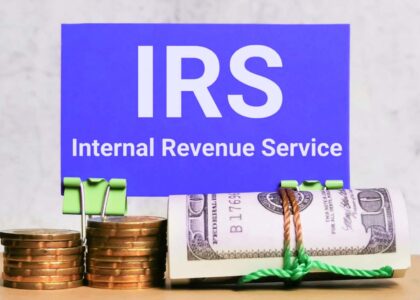
The IRS has officially opened the 2026 tax filing season, meaning millions of Americans can now begin submitting their federal income tax returns. Filing early can help you receive your tax refund faster, avoid last-minute stress, and reduce the risk of identity theft.
If you’re wondering “When does tax filing start in 2026?” or “What documents do I need to file my taxes?” — this guide covers everything you need to know.
Important IRS Tax Deadlines for 2026
Here are the key dates you should mark on your calendar:
- Tax Season Opening Date: January 2026
- Federal Tax Filing Deadline: April 15, 2026
- Extension Deadline: October 15, 2026
Missing the IRS deadline may result in penalties and interest charges, so it’s always best to file early.
Documents You Need Before Filing
Before you file your tax return, make sure you have:
- W-2 Forms (Employment Income)
- 1099 Forms (Contract, freelance, interest, or investment income)
- Social Security Numbers (for dependents)
- Previous year tax return
- Mortgage interest statements
- Student loan interest forms
- Business income & expense records (if self-employed)
Having complete documentation ensures accurate filing and prevents IRS notices.
Why Filing Early Is Smart in 2026
Filing early offers several advantages:
1️⃣ Faster Tax Refund
Most refunds are processed within 21 days if filed electronically.
2️⃣ Identity Theft Protection
Filing early reduces the risk of someone fraudulently filing a return using your SSN.
3️⃣ Better Financial Planning
Knowing your tax liability or refund early helps with budgeting and investment decisions.
How to Get Your Tax Refund Faster
Want your refund quickly? Follow these tips:
- File electronically (E-file)
- Choose direct deposit instead of paper check
- Double-check your Social Security Number
- Avoid math errors
- Respond quickly to IRS notices (if any)
You can track your refund using the IRS “Where’s My Refund?” tool.
Should You File Yourself or Use a Professional?
While online tax software is available, working with a professional CPA offers:
- Maximum deductions and credits
- Audit risk reduction
- Accurate filing
- Small business tax optimization
- Estate and tax planning support
If you’re self-employed, own rental property, or run a business, professional tax preparation is highly recommended.
Small Business Owners – Special Reminder
Business owners must:
- File Schedule C or Corporate Returns
- Pay quarterly estimated taxes
- Report payroll taxes correctly
- Keep expense documentation organized
Incorrect business tax filing can trigger IRS audits or penalties.
⚠️ Common Tax Filing Mistakes to Avoid
- Entering incorrect SSN
- Missing income forms
- Claiming ineligible dependents
- Incorrect bank account numbers
- Forgetting to sign your return
Even small errors can delay refunds or lead to IRS notices.
Need Professional Tax Help?
At ABSE Tax, we provide:
- Individual Income Tax Filing
- Small Business Tax Returns
- Tax Planning & Consultation
- Payroll Tax Services
- Estate Planning
- Bookkeeping & Accounting
📍 18000 Pioneer Blvd, Suite 203, Artesia, CA 90701
📞 (562) 403-1177
📧 info@absetax.com